Skip to content





Key Takeaways
- Lab-grown diamonds are real diamonds with the same chemical composition as natural diamonds.
- The main difference between lab-grown and natural diamonds is origin: one is grown in a controlled lab environment, while the other is mined from the earth.
- Lab-grown diamonds are more affordable, which can help shoppers choose a larger diamond, higher quality grades, and a more customized setting.
- For many couples, the choice comes down to values, budget, size and quality, and the legacy they want their engagement ring to represent.
Buying an engagement ring can be a culminating, once-in-a-lifetime experience. As you begin your search for the perfect symbol of your love, you have some important choices to make. Among the first on that list may be considering lab-grown vs. natural diamonds. Before you make up your mind, it’s important to understand the difference between lab-grown and natural diamonds. We’ve gathered the facts conveniently in one place to help make that decision easier for you.
Are Lab-Grown Diamonds Real?
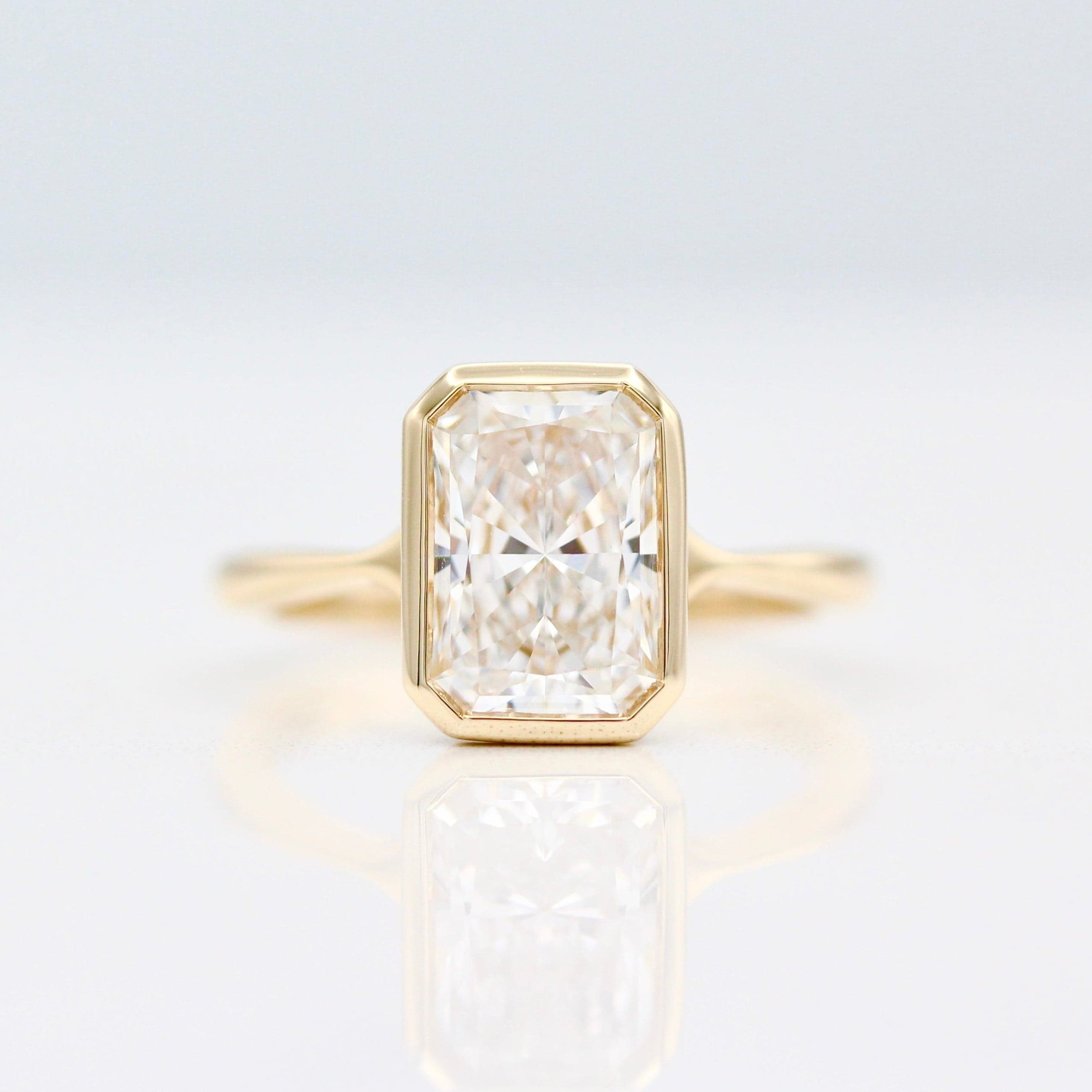
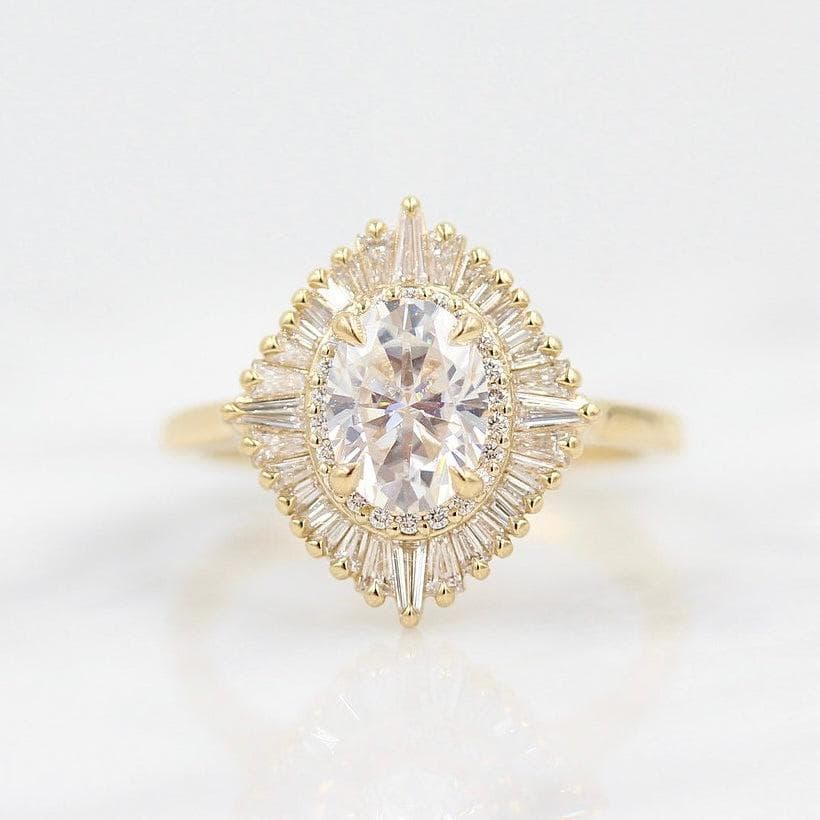
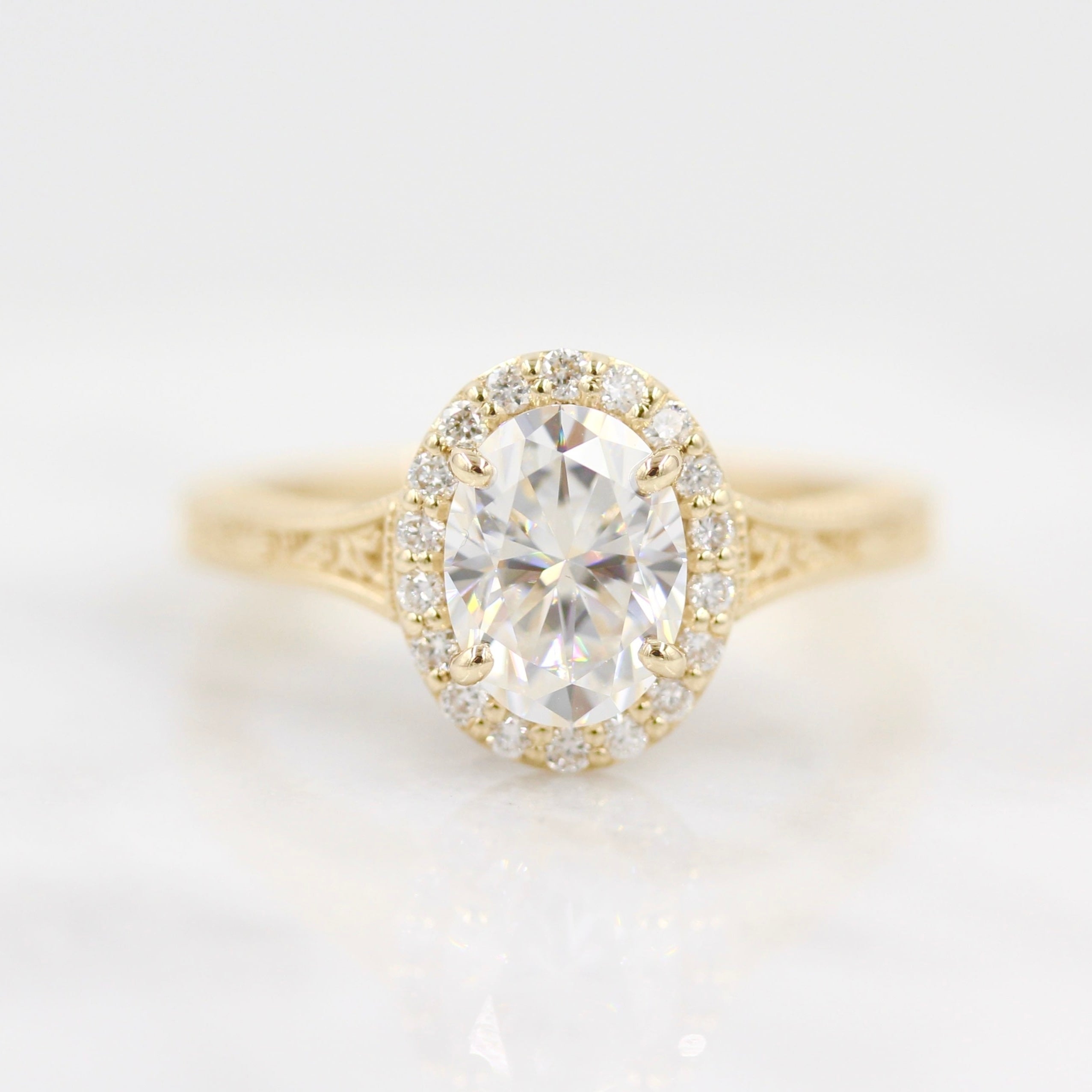
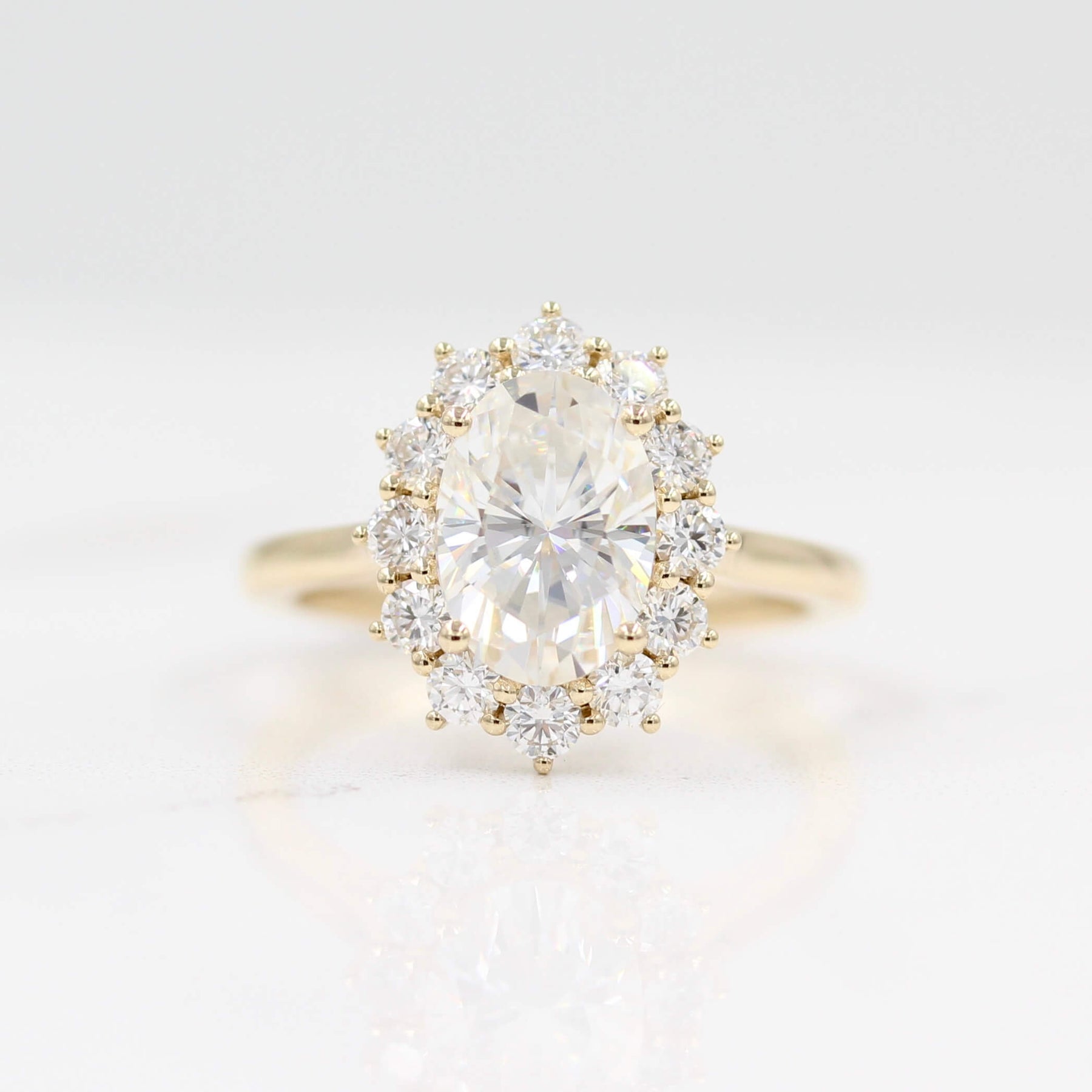
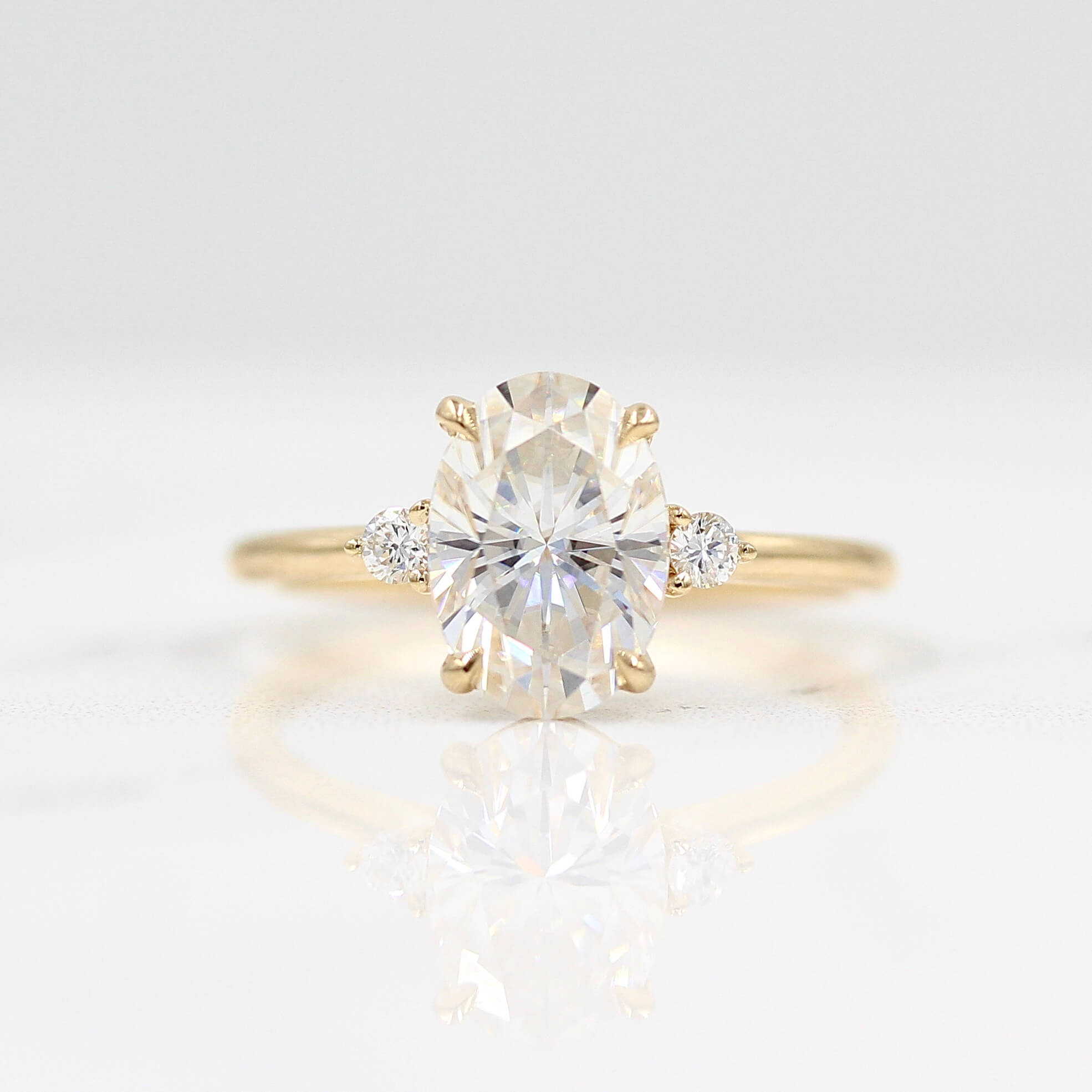
One of the first questions that probably pops into your mind when you hear the term lab-grown diamonds is are they real? The answer is yes! Lab-grown diamonds are absolutely real. Lab-grown diamonds have the exact same chemical composition and makeup as their natural counterparts. These eco-friendly alternatives are measured in carats and graded on their clarity, cut, and color, the same as mined diamonds. The only difference between lab-grown vs. natural diamonds is their origin. A lab-grown diamond engagement ring has the same durability, brilliance, and sparkle as a natural one but without all of the negative impacts of mining!
How Lab-Grown Diamonds Are Made
Scientists use high-tech growth chambers and carbon seed crystals to replicate the same growth process that occurs for natural diamonds underground. What takes the Earth millions of years to create can be replicated in a lab over the course of a few months. Then, the rough crystals are cut and polished in the same way that their natural counterparts are.
Most lab-grown diamonds are created through one of two methods: High Pressure High Temperature (HPHT) or Chemical Vapor Deposition (CVD). Both processes use carbon to grow a diamond crystal, and once the rough diamond is formed, it can be shaped, polished, and set into an engagement ring just like a mined diamond.
Lab-Grown vs. Natural Diamonds: The Price

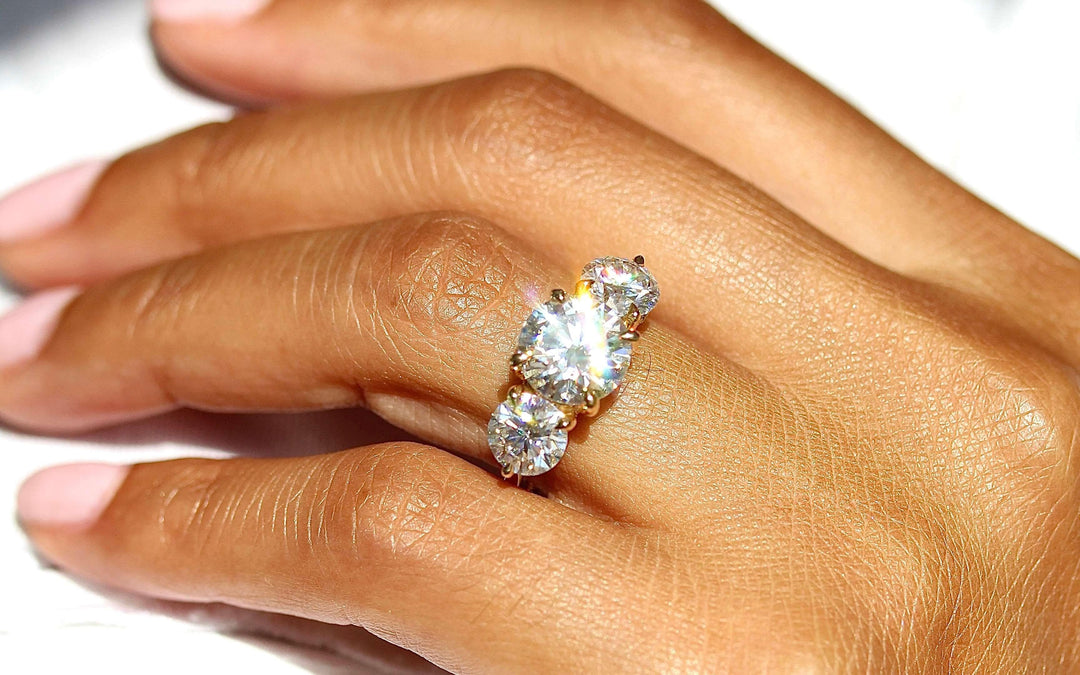
One of the most attractive differences between lab-grown diamonds and natural diamonds is the price. Lab-grown diamonds cost significantly less than mined diamonds. The main reason mined diamonds are so much more expensive is that mining operations are very expensive to run, and big diamond producers control the number of diamonds in the market at any given time. Hundreds of tons of earth are displaced to source a single diamond! When considering lab-grown vs. natural diamonds, it’s compelling to realize that by purchasing a lab-grown diamond engagement ring, you can get a bigger, higher-quality diamond for the same price. And by saving money on the engagement ring, you can also afford more elaborate wedding bands if you want them.
That price difference can also give couples more flexibility. You may be able to prioritize a larger carat size, a more intricate setting, a custom design, or matching wedding bands while staying within the same overall budget.
The Ugly Truth About Diamond Mining
Diamond mining comes with a dark history and a dangerous present full of harmful humanitarian and environmental implications, such as:
- Funding of conflict and war
- Dangerous working conditions
- Child labor
- Low wages
- Soil erosion from mining
- Deforestation
- Damaged ecosystems
- Harm to indigenous peoples
- High fossil fuel consumption and emissions
It’s hard to value something that comes at such a heavy price.
For couples who want a diamond engagement ring but do not want to support new mining, a lab-grown diamond offers a meaningful alternative. It allows you to choose the style, sparkle, and symbolism of a diamond while making a more mindful decision about origin.
FAQs About Lab-Grown vs. Natural Diamonds
Can people tell the difference between lab-grown and natural diamonds?
No, people cannot tell the difference just by looking at the finished ring. Lab-grown and natural diamonds have the same brilliance and sparkle because they have the same chemical and physical properties, and specialized testing (or examining the laser-engraved markings under magnification) is needed to confirm origin.
Do lab-grown diamonds last as long as natural diamonds?
Yes. Because lab-grown diamonds are real diamonds, they are durable enough for everyday engagement ring wear when properly set and cared for. Just like natural diamonds, they can chip if improperly set or exposed to harsh conditions. They cannot be scratched, except by another diamond.
Is a lab-grown diamond a good choice for an engagement ring?
A lab-grown diamond is a great choice if you want the look, feel, and durability of a diamond while avoiding the negative impact of mining and getting more flexibility for your budget.
Ethical Diamond Jewelry
The question of lab-grown vs. natural diamonds goes far beyond picking a pretty ring. An engagement ring is something to be cherished and passed down for generations to come. The question is, what kind of legacy do you want to leave behind? At Taylor Custom Rings, we want to help you choose or create a ring that reflects your generous love and that you will be proud to wear, treasure, and pass down to future generations. We’re passionate about helping our clients find the perfect ring to tell their stories. Feel free to reach out to us with any questions you might have or to get started designing your own lab-grown diamond ring.